


Respecting Context with Contemporary Designs
Respecting the context of the site usually means blending in with the surrounding buildings regarding materiality and façade treatment. This strategy is frequently used when the new building is based upon a surrounding that is constructed in the earlier centuries or considered valuable in its architectural styles. However, is this the only way of designing when approaching a historic site condition or is it possible to do something contemporary while bringing harmony to the surrounding environment?
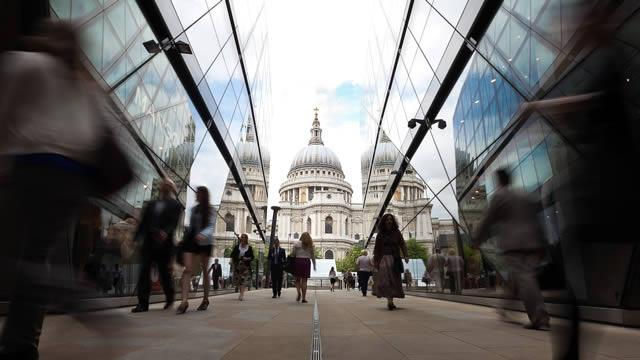
When it comes to new constructions on historic sites especially a monumental figure like the St. Paul Cathedral, One New Change sure does stand out among the other buildings in the vicinity. One New Change is a large shopping center in the City of London that was open to the public in 2010. It replaced a building for the Bank of England that was constructed in the 1950s and was torn down in 2007. Being in a location sensitive spot, the design of One New Change has attracted many criticisms for its bold modern design in its contrast to St. Paul Cathedral. Despite the critics, it respects the site condition with its own manners and is successful in bringing out new qualities of St. Paul Cathedral.

Being only one-third of the Cathedral, One New Change as a shopping complex creates roof top terraces for the public to enjoy new views of St. Paul Cathedral that was not possible before. As the architect, Jean Nouvel envisioned it as a framework for capturing the Cathedral, One New Change has a moment where it creates a perfect view of having the Cathedral in the center of its plaza space, bringing the monument within the corridors of this contemporary shopping mall.
One New Change gave us a new perspective of designing on a historic site. Its bold contemporary design’s success lies in the creative play with the urban rules and spatial quality it provides the vicinity. It enhances the significance of St. Paul Cathedral while becoming something original on its own. Perhaps besides façade treatment and materiality, something else is far more fundamental in creating bonds and forming harmony between buildings.
Comments